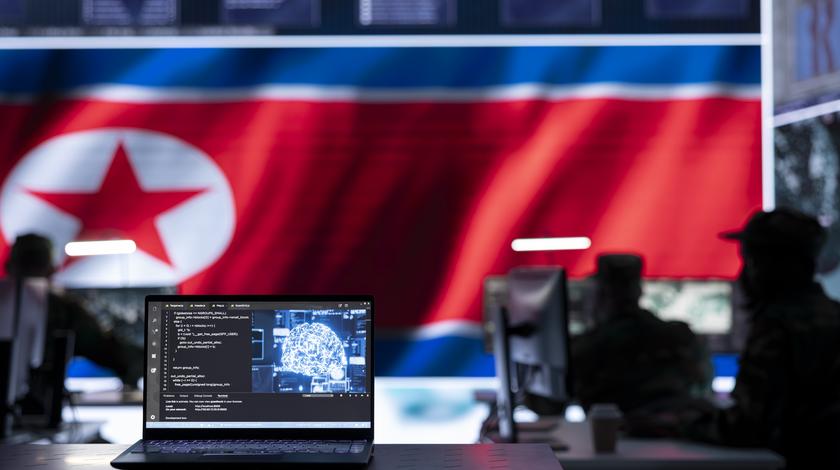
It is estimated that between one third and half of North Korea’s national budget derives from cyber fraud and extortion. According to Finextra, most of these criminal activities target the financial services sector, which includes banks, cryptocurrency exchanges, and payment providers.
Cybercrime represents one of the most critical yet under-discussed challenges of our time. The amount of money extracted from financial systems each year by malicious actors is staggering, amounting to about $10 trillion by 2025. To put this in perspective, if cybercrime were an economy, it would rank as the third largest in the world, surpassing Germany’s GDP.
North Korea has a troubled history, and its isolated economy, along with various weapons programs, is sustained by the proceeds of cyberattacks. Over the years, this rogue state has honed its skills in digital warfare, creating highly organized groups of hackers who steal money from multinational corporations, affluent individuals, financial institutions, governments, and even vulnerable persons.
For many years, North Korea's economy has faced contraction due to resource shortages, outdated infrastructure, and energy crises. However, signs of change emerged in 2024 when North Korea’s economy experienced a growth of around 4 percent, marking its fastest expansion in eight years.
One of the most consistent sources of income for North Korea is derived from cybercrime, which encompasses any illegal activities involving computers, the internet, or network devices. In this context, the state actively sponsors activities such as identity theft, phishing schemes, and a variety of other digital attacks that extract funds from the financial systems of its adversaries.